Safer Gambling Week 2026: Why Staying in Control Matters More Than Ever
Safer Gambling Week is back, and this year there's a warning every UK bettor should pay attention to: a betting site that looks legitimate isn't necessarily licensed, and a gambling offer that sounds too good to be true could come with risks you haven't considered.
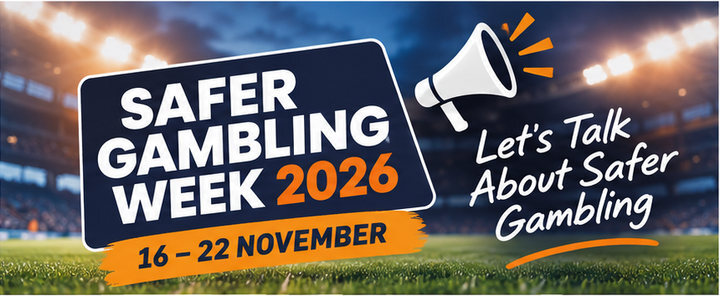
Running from Monday 16 to Sunday 22 November 2026, Safer Gambling Week is bringing together organisations across the UK and Ireland to encourage people to think more carefully about how, where and why they gamble.
There's a particular focus on unlicensed betting websites this year. But the campaign also has a message for anyone who gambles occasionally, bets on football every weekend or spends time playing online casino games.
Knowing when to stop matters. So does knowing what protection you've actually got.
At NewBettingSites.uk, we're supporting that message by helping readers understand the risks, recognise warning signs and find the tools that can make a difference.
Safer Gambling Week 2026 at a Glance
| Key information | Safer Gambling Week 2026 |
|---|---|
| Dates | 16–22 November 2026 |
| Where | United Kingdom and Ireland |
| Organisers | Betting and Gaming Council, Bacta and the Bingo Association |
| Campaign message | Let's Talk About Safer Gambling |
| 2026 priorities | Unlicensed gambling risks, player protection, spending limits and support |
| Official website | SaferGamblingUK.org |
| Free gambling helpline (Great Britain) | 0808 8020 133 — available 24/7 |
What's Different About Safer Gambling Week in 2026?
Every November, the campaign encourages people to talk openly about gambling, understand the available safeguards and recognise when things might be getting out of hand.
That hasn't changed.
What has changed is the attention being paid to the risks of unlicensed gambling websites.
A website can have impressive graphics, professional-looking football markets and tempting promotions without being regulated by the UK Gambling Commission (UKGC).
And when something goes wrong, that distinction can become painfully important.
According to the Gambling Commission's November 2026 illegal gambling data, regulators identified 586 illegal gambling websites accessible to consumers in Great Britain during September 2026.
That figure comes from the regulator's monitoring activity, rather than a complete count of every illegal gambling website.
Still, it's a reminder that the problem hasn't disappeared.
This year's campaign is encouraging people to check that websites are properly licensed, understand the safeguards they're entitled to and avoid operators that deliberately operate outside British gambling regulation.
And it's worth remembering that a licensed betting website isn't automatically risk-free. Gambling can cause financial, emotional and relationship problems regardless of which company you're using.
How Can You Tell Whether a Betting Site Is Actually Licensed?
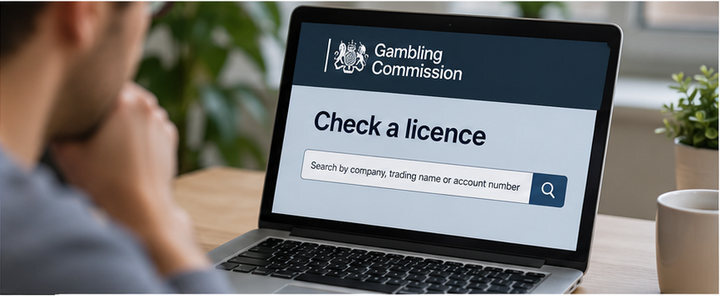
Here's something worth doing before depositing any money into a new betting account.
Check the licence yourself.
If a betting website serves customers in Great Britain, it needs the appropriate UK Gambling Commission licence. That means following rules covering areas such as age verification, customer protection, safer gambling and complaints.
An unlicensed website targeting British customers isn't subject to those same regulatory requirements.
Three Checks That Could Save You a Serious Headache
- Look at the website footer. Find the legal operator's name and Gambling Commission account information. Don't rely on a logo alone.
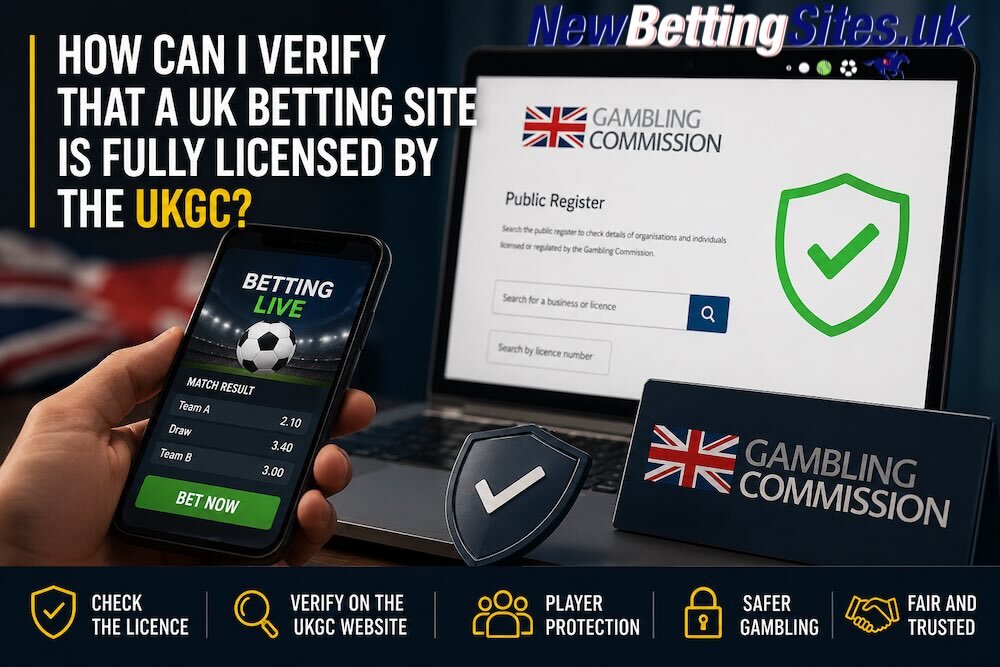
- Check the official register. Visit the UKGC Public Register and search by company name, trading name, domain or account number.
- Make sure everything matches. Check that the licence is active, the domain is associated with the operator and the business holds permission for the gambling activities it offers.
A licence belonging to a completely different company doesn't count. Neither does a licence from another jurisdiction automatically authorise a website to serve customers in Great Britain.
We've covered the process in much more detail in our guide to verifying whether a UK betting site is fully licensed by the UKGC.
It's particularly useful when you're checking a relatively new betting website you haven't encountered before.
The Safer Gambling Tools Every Bettor Should Know About
Most people have heard of deposit limits. Fewer understand exactly what they restrict, how they work or why a simple spending limit might not be enough.
The good news is that there are several different tools available. The important bit is choosing the one that actually addresses your situation.
| Safer gambling tool | What it does | What you need to know |
|---|---|---|
| Deposit limits | Restrict how much money you can pay into an online gambling account during a set period. | A deposit limit doesn't necessarily restrict how much you can stake using money already in your account. |
| Reality checks and time reminders | Display reminders about how long you've been gambling. | Useful for tracking time, but they don't necessarily stop play when a reminder appears. |
| Time-outs | Allow you to temporarily suspend gambling activity with an operator. | Duration and arrangements depend on the operator. A short break may not be suitable when gambling is causing serious harm. |
| GAMSTOP self-exclusion | Helps prevent access to gambling websites and apps covered by the scheme. | Free to register. Available exclusion periods include six months, one year, five years and five years with auto-renewal. |
| Bank gambling blocks | Help stop certain gambling transactions using your bank account or card. | Availability, coverage and the process for removing a block vary between banks. |
| Blocking software and advertising controls | Restrict access to gambling websites or reduce exposure to gambling-related advertising. | These controls can provide an additional barrier, but none should be treated as a complete guarantee. |
These tools can work together. Someone who wants to stop gambling entirely may benefit from self-exclusion, payment blocks and access-blocking software alongside specialist support.
Deposit Limits Have Changed in 2026
One particularly useful development concerns the way deposit limits are defined.
The Gambling Commission introduced updated requirements in stages. The first changes took effect in October 2025, with further rules coming into force on 30 September 2026, following an extension from the originally planned June deadline.
Under the updated requirements, online operators must offer gross deposit limits. These are calculated using the money paid into an account during a fixed period, without subtracting withdrawals.
Only that type of financial restriction can be called a "deposit limit". Operators may also provide other types of financial limits.
The changes are explained in the Gambling Commission's official implementation update.
Here's What a £50 Weekly Deposit Limit Actually Means
Imagine you've set a £50 deposit limit for a weekly period.
You deposit £30, then another £20 later in the same period. You've now reached your £50 limit.
Even if you withdraw £20, that withdrawal doesn't give you another £20 of deposit allowance under a gross deposit limit.
That's useful protection against continually adding more money.
But there's an important distinction: a £50 deposit limit isn't necessarily a £50 loss limit. Money already in your gambling account, including winnings, may still be available to stake.
Understanding that difference helps you choose appropriate controls instead of assuming a limit does more than it actually does.
GAMSTOP: When a Short Break Isn't Enough
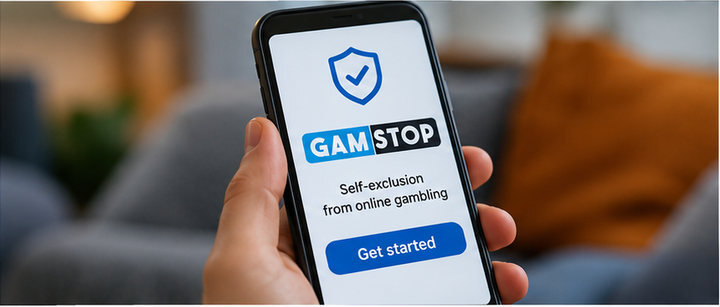
Sometimes setting a smaller spending limit won't solve the problem.
If you're repeatedly trying to win back losses, finding it difficult to stop or opening new accounts after reaching your limits, it may be time for a more substantial break.
That's where GAMSTOP comes in.
GAMSTOP is a free self-exclusion service designed to help people prevent themselves from gambling with licensed online operators covered by the scheme.
You can register for a minimum of six months, one year, five years or five years with auto-renewal.
Once your exclusion is active, you cannot simply cancel it during the selected minimum period because you've changed your mind.
It's also important to understand its limitations. GAMSTOP does not cover every gambling website in the world, and a separate arrangement is needed for excluding yourself from land-based gambling venues.
If you're considering self-exclusion, don't overlook gambling payment blocks and software that restricts access to websites.
The Gambling Commission's self-exclusion guidance explains the different options available.
Five Signs Your Gambling Might Be Getting Out of Hand
Nobody needs to gamble every day to experience gambling-related harm.
For some people, the warning signs develop gradually. A slightly bigger stake here, an extra deposit there, and suddenly gambling starts taking up more time and money than expected.
The NHS guidance on gambling-related problems identifies several behaviours and consequences worth taking seriously.
These five are particularly important.
1. You're Trying to Win Back Money You've Already Lost
A losing bet can be frustrating.
But repeatedly increasing your stakes because you feel you have to recover a loss can turn one disappointing result into a much bigger financial problem.
There is no betting strategy that guarantees you'll recover lost money.
2. You're Spending More Than You Planned
Perhaps you originally intended to spend £20 but ended up depositing considerably more.
If that keeps happening, it's worth reviewing your account transactions rather than relying on memory.
A deposit limit may help prevent further overspending, but if you're repeatedly struggling to follow your own limits, consider taking a break and seeking support.
3. Gambling Is Affecting Your Mood
Feeling stressed, irritable or anxious because of gambling deserves attention.
So does constantly checking results, thinking about your next bet or struggling to concentrate on other things.
Gambling should never take priority over your health or relationships.
4. You're Hiding How Much You're Gambling
Keeping deposits, debts or losses secret from people close to you can be a warning that gambling is causing harm.
You don't need to reach a financial crisis before talking to someone.
5. You're Using Money Intended for Essentials
Rent, mortgage payments, bills, food and other essential expenses should never depend on gambling outcomes.
If you're borrowing money, using credit or dipping into money needed for everyday living to continue gambling, getting independent support is particularly important.
Recognising any of these behaviours doesn't mean you need to diagnose yourself. It means there's a good reason to take the concern seriously.
What Should You Actually Do During Safer Gambling Week?
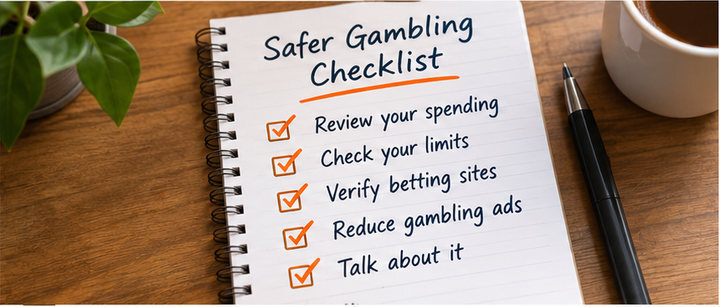
You don't have to attend an industry event or participate in an online campaign to make Safer Gambling Week useful.
A few practical checks can make the occasion worthwhile.
- Review your gambling transactions. Look at what you've deposited and withdrawn over the past month. Check the actual figures rather than guessing.
- Check your financial limits. Make sure you understand what they cover, how long they last and when they reset.
- Verify unfamiliar betting websites. Check the UKGC register before giving an operator your personal details or money.
- Reduce gambling advertising. Review marketing preferences on your accounts, unsubscribe from promotional messages and consider advertising controls where appropriate.
- Talk about gambling without judgement. If you're worried about your own gambling or someone else's, an ordinary conversation can be a starting point for getting support.
For anyone thinking of opening an account, our separate guide explains how to find safe and legal sports betting options online, including what to check beyond the licence itself.
None of these steps requires you to place a bet. Choosing not to gamble is always an option.
Where Can You Get Free Gambling Help in the UK?
One of the most important messages of Safer Gambling Week is that support is available before a problem becomes a crisis.
You don't need to have lost a particular amount of money. You don't need to have been gambling for years. And you can ask for advice if you're worried about a family member or friend.
Here are some of the main services worth knowing about.
| Organisation or service | What it can help with | Contact |
|---|---|---|
| GamCare / National Gambling Helpline | Free, confidential advice and support for people affected by gambling, including family and friends. | GamCare.org.uk or 0808 8020 133 (24/7) |
| GAMSTOP | Free self-exclusion from licensed gambling websites and apps covered by the scheme. | Gamstop.co.uk |
| NHS gambling treatment services | Specialist assessment and treatment for gambling-related harms. In England, people can access specialist clinics through self-referral or their GP. | NHS gambling support |
| GambleAware website | Gambling harm information, self-assessment tools and signposting to support services. | GambleAware.org |
| UK Gambling Commission | Checking licences, understanding gambling rights and reporting suspected illegal gambling. | GamblingCommission.gov.uk |
The National Gambling Helpline number listed above serves Great Britain and is available free of charge 24 hours a day, seven days a week. The official Safer Gambling Week campaign also lists 08000 886 725 for Northern Ireland.
What Happened to GambleAware in 2026?
There's another development worth explaining, particularly because many older safer gambling articles still refer to GambleAware as an operating charity.
GambleAware closed as a charity on 31 March 2026 following changes to how gambling harm prevention, research and treatment are funded.
The move followed the introduction of a statutory gambling levy, replacing the previous voluntary funding arrangements.
From April 2026, NHS England took responsibility for commissioning gambling harms treatment services in England under the new system, with corresponding arrangements for other parts of Great Britain.
You can read about those changes through NHS England's Gambling Harms Treatment Programme.
Importantly, the GambleAware website remains available with advice, tools and support information. The charity's closure did not mean that gambling support suddenly disappeared.
GamCare's National Gambling Helpline also continues to operate.
Safer Gambling Week Doesn't End on 22 November
There's something slightly ironic about having one week dedicated to safer gambling.
The conversations, tools and safeguards being promoted are relevant every day of the year.
The campaign helps put them in the spotlight, but it shouldn't take a November reminder to check a betting website's licence, review your spending or ask for help.
For NewBettingSites.uk, supporting safer gambling means making that information easier to find and understand. A properly regulated betting market matters, but so does recognising that regulation alone cannot prevent every gambling-related harm.
If there's one useful thing to do during Safer Gambling Week 2026, make it this: check how much time and money gambling is taking from you, and decide whether you're comfortable with the answer.
If you're not, taking a break or speaking to someone is a perfectly sensible next step.
18+. Gambling carries financial risks. If gambling is affecting your wellbeing, finances or relationships, contact the free National Gambling Helpline on 0808 8020 133 or visit GamCare for confidential support.
Best 10 New Bookmakers
 |
£50 | SIGN UP HERE |
|
18+. New players only. Opt in and deposit £20+ for a 100% first-deposit match up to £50. Use bonus funds within 30 days on real-money sports bets at EVS (2.00) or higher. Excludes virtuals, boosted odds, handicaps and draw no bet. Bonus funds are separate from cash. Only bonus bets count toward the 5x bonus wagering requirement. Affordability checks apply. Terms apply. Gamble responsibly. GambleAware.org. |
||
 |
£30 | SIGN UP HERE |
|
18+ New customers only. Place a £10+ bet at min odds 1/1 (2.0) within 14 days of sign-up. Get £30 in Free Bets, valid for 7 days on selected bets only. Free stake not returned with winnings. T&Cs apply. BeGambleAware.org |
||
 |
£25 | SIGN UP HERE |
|
New customers only. Bets placed on sports at odds of 2.50 or more to qualify. Bets must be placed 25 hours within registration. £25 free bets must be wagered on sports. Full terms below. Gambling can be addictive, play responsibly 18+ |
||
 |
£20 | SIGN UP HERE |
|
New verified customers only. Opt-in required. Deposit £20 and earn £1 of Free Bet value for every £1 staked on Bet Builders, with each qualifying stake counting towards a free bet builder reward, at combined odds of 2.0 (1/1) or greater. Min Reward: £1 Free Bet / Max Reward: £20 Free Bet. Cash in or claim within 48 hours of promo end. Free Bets expire 7 days after claim. 18+ GambleAware.org |
||
 |
£20 | SIGN UP HERE |
|
New online customers only. Register and place a £/€5+ first bet at 1/1 (2.0)+ on sports or racing within 7 days. Get a £/€10 Tote Credit and £/€10 Free Sports Bet within 48 hours of settlement. Voided/non-runner bets don’t qualify. Rewards expire in 7 days. 18+. One per customer. Selected customers only. Full T&Cs apply. GambleAware.org. |
||
 |
£30 | SIGN UP HERE |
|
*New members only. £10+ bet on sportsbook (ex. virtuals) at 1.5 min odds, settled within 14 days. Free Bets: accept in 7 days, valid 7 days on sportsbook only. 2x£5 Free Bets for Bet Builder only. Stake not returned. T&Cs + deposit exclusions apply. Bet Responsibly. GambleAware®. 18+ |
||
 |
£40 | SIGN UP HERE |
|
Deposit £10+ and place a sports bet within 7 days from registration. Get 4 x £10 Free Bets - 2 x Football Accas (4+) & 2 x Sports Multiples (2+), valid 7 days. Min odds apply. Excludes virtual sports, esports and non-UK/IE horse racing. Opt-in required. 18+. T&Cs apply. |
||
 |
£10 | SIGN UP HERE |
|
*#ad. 18+. Gamble Responsibly. Gambleaware.org. New customers only. £10 in real money. Bets placed on sports at odds of 2.00 ore more to qualify. Bets must be placed 24 hours within of registration. £10 free bets must be wagered on sports. Cashback is cash without restrictions. - Full Terms Apply |
||
 |
£30 | SIGN UP HERE |
|
New customers place your first bet of £10 at minimum odds of 1/1 on any sports market within 7 days of registering. Get £20 in ACCA Free Bets (2x£10 Acca Free bet (2+ selections, pre-match or in-play/live, min odds per leg 2/5 (1.4), max payout £50) . Full terms apply. 18+ begambleaware. Please gamble responsibly. |
||
 |
£100 | SIGN UP HERE |
|
*New UK/IE customers . Place your first Football bet as an Accumulator (minimum four selections) and AK Bets will boost the return by 25% in the form of a Free Bet up to a value of £100. 18+ BeGambleAware.org." |
||